A Quick Guide to Product Recommendation Engines
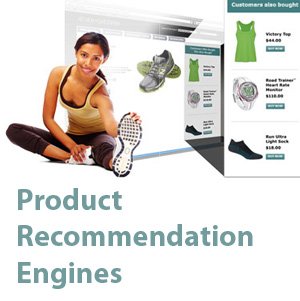
There’s a high possibility that you’ve already been to a site which has a product recommendation engine installed. In fact, if you have already tried purchasing something from an online retailer or have participated in an auction on the web, then you might have actually seen these engines in action.
When you visit an online storefront, you might have noticed a small section on the page or a sidebar that contains recommended products and featured items. You might have also noticed that the items being featured are related to products that you might have searched about before or have bought from the site. This is all the doing of the product recommendation engine.
What Is A Product Recommendation Engine?
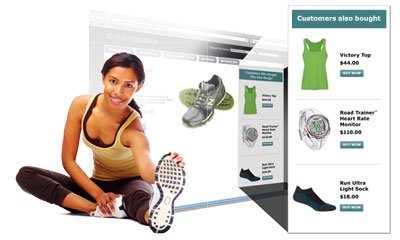
Product recommendation engines are platforms that work by providing predictions on user preferences when it comes to a certain product, service, or network. These engines actually belong to a subclass of information filtering systems that consider all the items on a database and filter it, so that only those relevant to your interests or user class are displayed.
Product recommendation engines utilize characteristics either from the item or from the social environment to make and display these predictions.
The Three Approaches of Product Recommendation Engines
Product recommendation engines can be implemented by collaborative filtering, content-based filtering, or with the use of hybrid recommender systems.
Collaborative filtering gathers data on users’ activities, behavior, and preferences from a larger pool of users. This information is then fed into a platform which segregates these interests into user channels, each having certain characteristic likes and dislikes. So when a user visits the site, he or she will be assigned a certain user profile, and recommendations stemming from similar interests from the assigned channel will be displayed.
On the other hand, content-based filtering utilizes algorithms that take into consideration only the user’s previous browsing history, activities, and preferences. The system will then make recommendations from the previous items that the user liked or purchased previously.
Lastly, hybrid recommender systems are actually a combination of collaborative filtering and content-based filtering platforms. These systems are generally more effective and more accurate when it comes to providing recommendations to users.
Where are Product Recommendation Engines Used?
Most online stores nowadays employ product recommendation engines. One of the most prominent is Amazon. After several visits or purchases on the site, you will notice that there’s a portion of the page that will present to you “items to consider,” “related items” to those you previously viewed or purchased, “product recommendations” based on your browsing history, among others. In order to provide you with these lists of related goods, Amazon pulled your previous data, behavior on the site, and earlier purchases, and used a product recommendation engine to generate all of these lists.
Entertainment service providers and music streaming sites also make use of these systems to provide related content and media to users. Social networks also use these engines to serve ads, as well as to let users connect with others that they might know in their networks. Online databases, review sites, and blogs also make use of product recommendation engines.
Advantages of Using Product Recommendation Engines
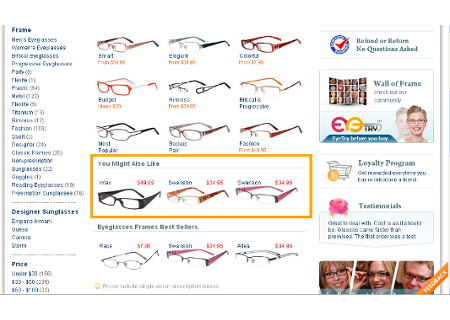
Product recommendation engines provide a lot of benefits, not only to those behind the site, but also to the site visitors. Online retailers can expect to see an increase in conversion and sales, because more of their products and goods are being shown and displayed to the customer.
Entertainment providers can also expect more media to be streamed, as users will find more related content that they are interested in to purchase or access.
Because of product recommendation engines, site visitors will be able to leave with a better site experience overall because of the convenience that they bring. For example, a user might have been looking for the item that the online retailer is recommending. Users will be able to access related articles and reviews, based on the current one they’re reading, saving time and making more content accessible.
Image: 4-tell.com, barilliance.com

 3 Ways to Use Pokemon Go to Market Your Business
 Build a Profitable Blog by Following Just One Simple Strategy
 12 Ways How to Write Content That Generates Readers and Improves Sales
 Content Marketers Are LOVING These 3 Simple Online Tools!
{ 15 Responses }